
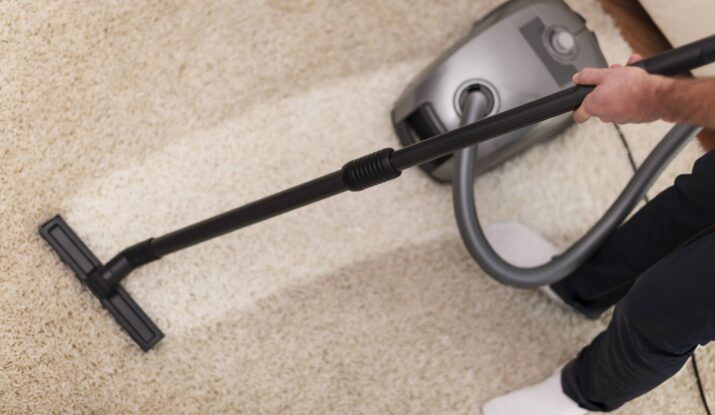
A clean office makes a difference before anyone says a word. When a client walks into your reception area, the condition of the carpet, chairs and meeting rooms helps shape their first impression. For employees, a clean workplace can make the working day feel more comfortable and professional.
Yet office carpets are easy to overlook. They may look acceptable from a distance while dirt builds up around entrances, coffee stations, corridors and desks. By the time stains become obvious or an unpleasant smell develops, routine vacuuming may no longer be enough.
For Brisbane businesses, a practical carpet maintenance plan can help manage everyday dirt, protect flooring and reduce the need for expensive repairs or premature replacement.
This guide explains how to maintain office carpets, how often to arrange professional cleaning, which areas need the most attention and what to include when hiring an office carpet cleaning Brisbane service.
Quick Answer: How Often Should Office Carpets Be Cleaned?
Most offices should vacuum carpeted areas regularly and arrange professional deep cleaning according to foot traffic, carpet condition and the type of business.
- Daily: Vacuum entrances and busy walkways when required; remove fresh spills promptly.
- Weekly: Inspect traffic lanes, desk areas, meeting rooms and carpeted common spaces.
- Monthly: Check for recurring stains, odours, worn patches and areas that need additional treatment.
- Every 6–12 months: Consider professional deep cleaning for many standard offices, adjusting the schedule for traffic and use.
- More frequently: Treat heavily used entrances, corridors, reception areas and customer-facing spaces as needed.
These are practical starting points rather than fixed rules. Medical facilities, hospitality venues, retail spaces and offices with heavy foot traffic may need a different schedule.
EzyDry offers commercial carpet and chair cleaning across Brisbane and the Gold Coast, including after-hours service and free onsite quotes according to its service page.
Why Office Carpet Cleaning Should Be Part of Your Maintenance Plan
Office carpet does more than cover the floor. It absorbs the impact of daily foot traffic, helps reduce noise and contributes to the appearance of your workspace.
However, every person entering your building can bring in dust, soil, moisture and debris. These particles gradually accumulate in carpet fibres, particularly in areas that receive constant use.
Without proper maintenance, your business may experience:
- Dark traffic lanes near entrances and desks
- Stubborn coffee and food stains
- Unpleasant smells from spills or moisture
- A tired appearance in reception and meeting rooms
- Faster wear in frequently used areas
- Higher long-term flooring maintenance costs
Regular commercial carpet cleaning Brisbane businesses arrange can help remove embedded soil and maintain the appearance of their flooring.
It is also worth considering the furniture around the carpet. Reception sofas, meeting-room chairs and office seating can accumulate dirt as well. Combining carpet maintenance with appropriate upholstery or office chair cleaning can help keep the entire workplace looking consistent.
The Complete Office Carpet Cleaning Checklist
Use this checklist to create a routine for your office manager, in-house cleaning team or commercial cleaning provider.
1. Inspect Reception and Entrance Areas
Frequency: Daily inspection, with cleaning as needed
Reception is often the busiest and most visible area of an office. Visitors, employees and delivery personnel bring outdoor dirt and moisture through the entrance.
Check the following:
- Look for dirt, leaves, sand and debris near the entrance.
- Vacuum entrance mats and carpeted walkways.
- Check for muddy footprints after rainfall.
- Inspect for coffee, drink or food stains.
- Make sure entrance mats are positioned correctly.
- Identify worn or damaged carpet sections that could become trip hazards.
During Brisbane’s wetter months, entrance areas may need extra attention because shoes can carry moisture and soil inside.
A useful tip is to use suitable entrance mats and clean them regularly. They can help capture dirt before it spreads throughout the office.
2. Keep Corridors and High-Traffic Walkways Clean
Frequency: Daily or several times a week, depending on use
Hallways, connecting corridors and walkways between desks experience repeated foot traffic. Over time, dirt becomes concentrated along the same paths.
Your checklist should include:
- Vacuum main walkways.
- Check for visible darkening or flattened carpet fibres.
- Remove loose debris from corners and edges.
- Identify stains that remain after routine cleaning.
- Report damaged seams, loose carpet or exposed edges.
Vacuuming helps remove loose soil before it becomes embedded. However, when traffic lanes remain dark despite regular vacuuming, professional cleaning may be needed.
3. Maintain Workstations and Open-Plan Offices
Frequency: Regular vacuuming, with weekly inspection
Open-plan offices often have large carpeted areas beneath desks and around workstations. Crumbs, paper fragments and dust can accumulate around chairs and furniture legs.
Include these tasks in your routine:
- Vacuum accessible carpet beneath desks.
- Check for food and drink spills.
- Inspect areas around shared printers and kitchen points.
- Move lightweight furniture when safe and practical.
- Check for persistent odours near individual workstations.
- Avoid dragging desks and chairs across carpet fibres.
Office chair wheels can also grind dirt into carpet when chairs are repeatedly moved. Chair mats may be useful in suitable work areas, but they should be kept clean and checked for slipping or trip hazards.
For a complete workplace maintenance plan, consider office chair cleaning Brisbane services alongside carpet cleaning. Fabric chairs can collect body oils, dust and spills that ordinary surface wiping may not remove.
4. Check Meeting Rooms and Boardrooms
Frequency: After heavy use, with weekly inspection
Meeting rooms may not have constant foot traffic, but they often experience concentrated use during presentations, client meetings and training sessions.
Coffee spills are a common example. A small stain near a meeting table can become a permanent mark if the wrong product is used or the spill is left untreated.
Check for:
- Coffee, tea and beverage stains.
- Food crumbs beneath meeting tables.
- Dirt around chair positions.
- Marks near presentation equipment.
- Stains caused by moved furniture.
- Lingering odours after events or catered meetings.
Respond to spills promptly. Blot liquid with a clean absorbent cloth rather than rubbing it into the carpet. Follow the carpet manufacturer’s care instructions, and avoid applying untested cleaning chemicals.
5. Pay Attention to Kitchenettes and Break Rooms
Frequency: Daily checks and regular vacuuming
Office kitchens and break rooms can be particularly challenging because they combine foot traffic with food and drink spills.
Include these checks:
- Look for coffee, tea and juice stains.
- Remove food crumbs and loose debris.
- Check for greasy marks near food preparation areas.
- Inspect carpet near refrigerators and water dispensers.
- Investigate damp patches immediately.
- Use suitable floor protection where appropriate.
If a carpet becomes wet because of a leaking appliance or plumbing issue, address the source of the water and arrange appropriate drying. Persistent moisture can damage carpet and underlay.
6. Inspect Reception Furniture and Office Chairs
Carpet is only one part of the workplace’s soft furnishings.
Office chairs, waiting-room seating and upholstered meeting chairs also collect dirt from daily use. Neglecting these surfaces can leave an otherwise clean office looking unfinished.
Your furniture checklist should include:
- Inspect fabric chairs for visible stains.
- Check armrests and headrests for soil buildup.
- Look for coffee marks on meeting-room seating.
- Vacuum suitable fabric surfaces.
- Check leather chairs for dirt and signs of finish damage.
- Schedule professional cleaning when routine maintenance is insufficient.
Where suitable, combine office carpet cleaning Brisbane with office chair cleaning to reduce disruption and maintain a consistent standard across the workplace.
7. Address Stains Before They Become Permanent
Frequency: As soon as practical after a spill
A small spill can quickly become a bigger problem when employees try different cleaning products or scrub aggressively.
A safer approach is to:
- Remove loose material carefully.
- Blot liquid with a clean cloth.
- Avoid rubbing the stain deeper into the fibres.
- Check the carpet manufacturer’s cleaning guidance.
- Test any permitted cleaning product in an inconspicuous area.
- Contact a professional if the stain persists or the carpet is delicate.
Different substances require different treatment. Coffee, ink, grease and food stains should not automatically be treated with the same product.
Professional cleaners can assess the stain and carpet type before selecting an appropriate method. Even then, complete stain removal cannot be guaranteed, particularly if the stain has been present for a long time or has altered the carpet dye.
Daily, Weekly and Monthly Office Carpet Maintenance Schedule
The following schedule can help your team maintain consistency.
| Frequency | Tasks |
| Daily | Check entrances, remove fresh spills, inspect for moisture and vacuum busy areas as needed. |
| Weekly | Vacuum carpeted rooms, corridors and accessible areas beneath desks; inspect stains and traffic lanes. |
| Monthly | Review carpet condition, identify recurring odours, inspect edges and record areas needing professional attention. |
| Every 6–12 months | Review the need for professional deep cleaning, based on traffic, carpet type and business requirements. |
| After a major spill or leak | Address the source, assess the affected area and arrange appropriate cleaning or drying promptly. |
This schedule is a starting point. A busy customer-facing office may need more frequent maintenance than a small office used by only a few employees.
How Often Does a Brisbane Office Need Professional Carpet Cleaning?
There is no single frequency that suits every business.
The right schedule depends on how many people use the space, whether customers visit regularly, the type of carpet and the level of soiling.
Consider the following examples:
Small professional office
Lower traffic
Periodic vacuuming and a professional clean approximately every 6–12 months may be a reasonable starting point, subject to carpet condition.
Busy office or shared workspace
Moderate to high traffic
Reception areas, shared corridors and meeting rooms may need more frequent attention, with professional cleaning scheduled according to visible soil and use.
Retail, hospitality or high-use commercial premises
Heavy traffic
Frequently used areas may need targeted cleaning more often. The schedule should reflect customer volume, spills, operating hours and flooring requirements.
EzyDry’s office carpet and chair cleaning service recommends cleaning carpets and furniture approximately every 12 months, with the frequency adjusted to the circumstances.
Why Brisbane’s Climate Matters for Office Carpet Care
Brisbane businesses need to consider local weather when planning carpet maintenance.
Rainy periods can increase the amount of moisture and soil tracked indoors. Humidity can also influence drying time after a wet-cleaning process, depending on indoor ventilation and air conditioning.
Practical precautions include:
- Use entrance mats and keep them clean.
- Address leaks and wet patches quickly.
- Avoid allowing furniture or equipment to sit on damp carpet.
- Ask your cleaner about expected drying times.
- Arrange cleaning at a time that allows adequate drying before the space is fully occupied again.
If your office is on the Gold Coast, similar considerations apply. Businesses seeking office carpet cleaning Gold Coast may also need to coordinate cleaning around visitor traffic, commercial operating hours and humid conditions.
Professional Carpet Cleaning Methods: Which One Is Right for Your Office?
Not every carpet needs the same treatment. A professional cleaner should consider the fibre, carpet construction, soil level and the amount of downtime your workplace can accommodate.
Hot Water Extraction
Hot water extraction uses cleaning solution and water to loosen soil, followed by extraction to remove moisture and contaminants.
It is commonly used for deep cleaning, but the carpet must be suitable for the method and dried appropriately.
Low-Moisture or Encapsulation Cleaning
Some commercial settings use low-moisture methods for interim maintenance or when shorter drying times are important.
Suitability depends on the carpet type, soil level and cleaning system. Low-moisture cleaning is not automatically a replacement for every deep-cleaning requirement.
Targeted Spot Treatment
Spot treatment addresses localised stains rather than cleaning an entire carpeted area. It can be useful between scheduled professional cleans.
A reliable office carpet cleaning Brisbane provider should explain the proposed method, expected drying time and any limitations before starting work.
How to Choose a Commercial Carpet Cleaning Company in Brisbane
Price matters, but it should not be the only consideration. A low quote may not cover stain treatment, furniture movement or the areas your business needs cleaned.
Before booking, ask:
- Does the company have experience with commercial premises?
- Is it insured?
- Which cleaning methods are available?
- Can it work after business hours?
- Is the quote clear about the areas and services included?
- What drying time should you expect?
- How are delicate carpet fibres and difficult stains assessed?
- Can the provider also clean office chairs or upholstery if required?
EzyDry advertises commercial carpet and chair cleaning, after-hours service at no additional charge, free onsite quotes and public liability insurance on its service page. Confirm the current scope and conditions directly when requesting a quote.
Why Businesses Choose EzyDry for Office Carpet Cleaning
EzyDry provides residential and commercial carpet and upholstery cleaning services across Brisbane and the Gold Coast. Its office cleaning service covers carpets and chairs, and the company states that it has more than 20 years of industry experience.
For businesses planning a maintenance schedule, the practical next step is to arrange an assessment of the carpeted areas, identify high-traffic zones and agree on a cleaning method that fits the premises.
You can explore the service here:
Need to organise your office carpet cleaning? Contact EzyDry to discuss your workplace, preferred cleaning time and the areas that need attention.
Frequently Asked Questions About Office Carpet Cleaning
How often should office carpets be professionally cleaned?
Many offices can use a 6–12 month interval as a starting point, while high-traffic businesses may need more frequent cleaning. The right schedule depends on carpet condition, occupancy and the type of business.
What is included in office carpet cleaning?
Depending on the service agreement, it may include inspection, vacuuming or preparation, targeted stain treatment and professional carpet cleaning using a suitable method. Confirm the exact scope with your provider before booking.
Can office carpets be cleaned after business hours?
Yes. Some commercial cleaners offer after-hours appointments to reduce disruption to employees and visitors. EzyDry advertises after-hours office carpet and chair cleaning; confirm availability when requesting a quote.
How long do office carpets take to dry?
Drying time varies according to the cleaning method, carpet construction, moisture used, ventilation and indoor conditions. Ask the cleaner for an estimate and keep the area clear until it is safe to use.
Is professional carpet cleaning better than vacuuming?
They serve different purposes. Regular vacuuming removes loose dirt, while professional cleaning can address embedded soil and certain stains that vacuuming cannot remove.
Can professional cleaning remove coffee stains?
It can remove or reduce many coffee stains, especially when they are treated promptly. Results depend on the carpet fibres, the age of the stain and any previous cleaning attempts.
Does EzyDry clean office chairs as well as carpets?
Yes. EzyDry advertises a combined office carpet and chair cleaning service for commercial customers in the Brisbane-to-Gold Coast area.
Is office carpet cleaning available on the Gold Coast?
EzyDry states that it services Brisbane and the Gold Coast and offers office carpet and chair cleaning. Contact the company to confirm service availability for your specific business location.
How can a business reduce carpet cleaning costs?
Vacuum consistently, use clean entrance mats, treat spills promptly and arrange professional cleaning before soil becomes difficult to remove. A maintenance schedule can also help businesses plan cleaning around operating hours and budget cycles.
Should carpet cleaning be included in an office maintenance plan?
Yes. A documented plan helps assign responsibilities, track stains and damage, schedule professional cleaning and avoid relying solely on visual appearance.
Conclusion: Make Office Carpet Care Part of Your Routine
Office carpets face daily wear from employees, visitors, furniture and accidental spills. Waiting until they look heavily soiled can make maintenance more difficult and leave your workplace looking less professional.
A simple checklist makes the job manageable: inspect entrances, vacuum busy areas, treat spills carefully, monitor meeting rooms and workstations, and schedule professional cleaning according to actual use.
For Brisbane businesses, the aim is not to clean every area unnecessarily. It is to maintain carpets consistently, respond to problems early and protect the flooring your business already owns.
If your office needs a professional assessment, explore EzyDry’s office carpet and chair cleaning service and request a quote for your premises.